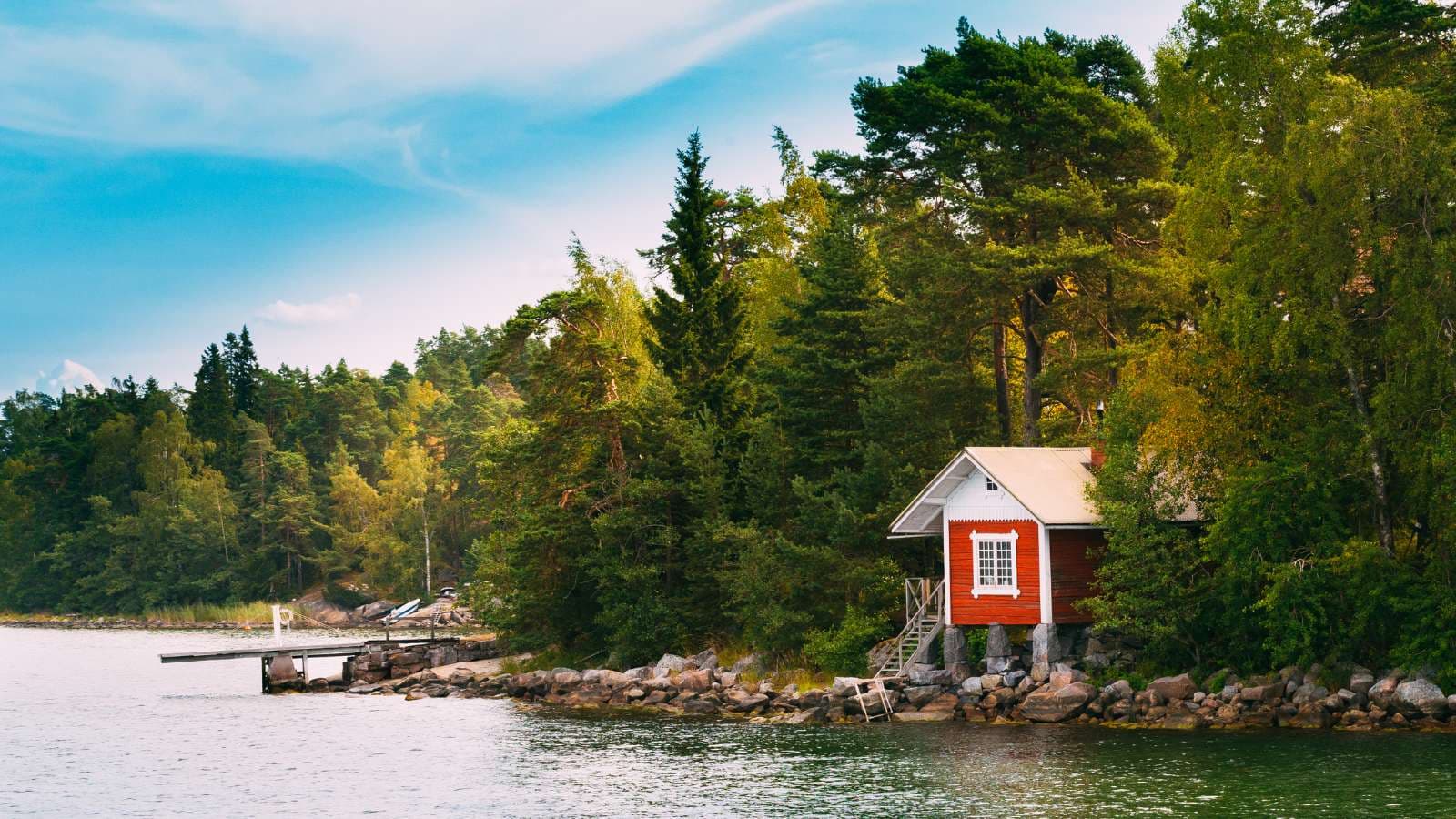
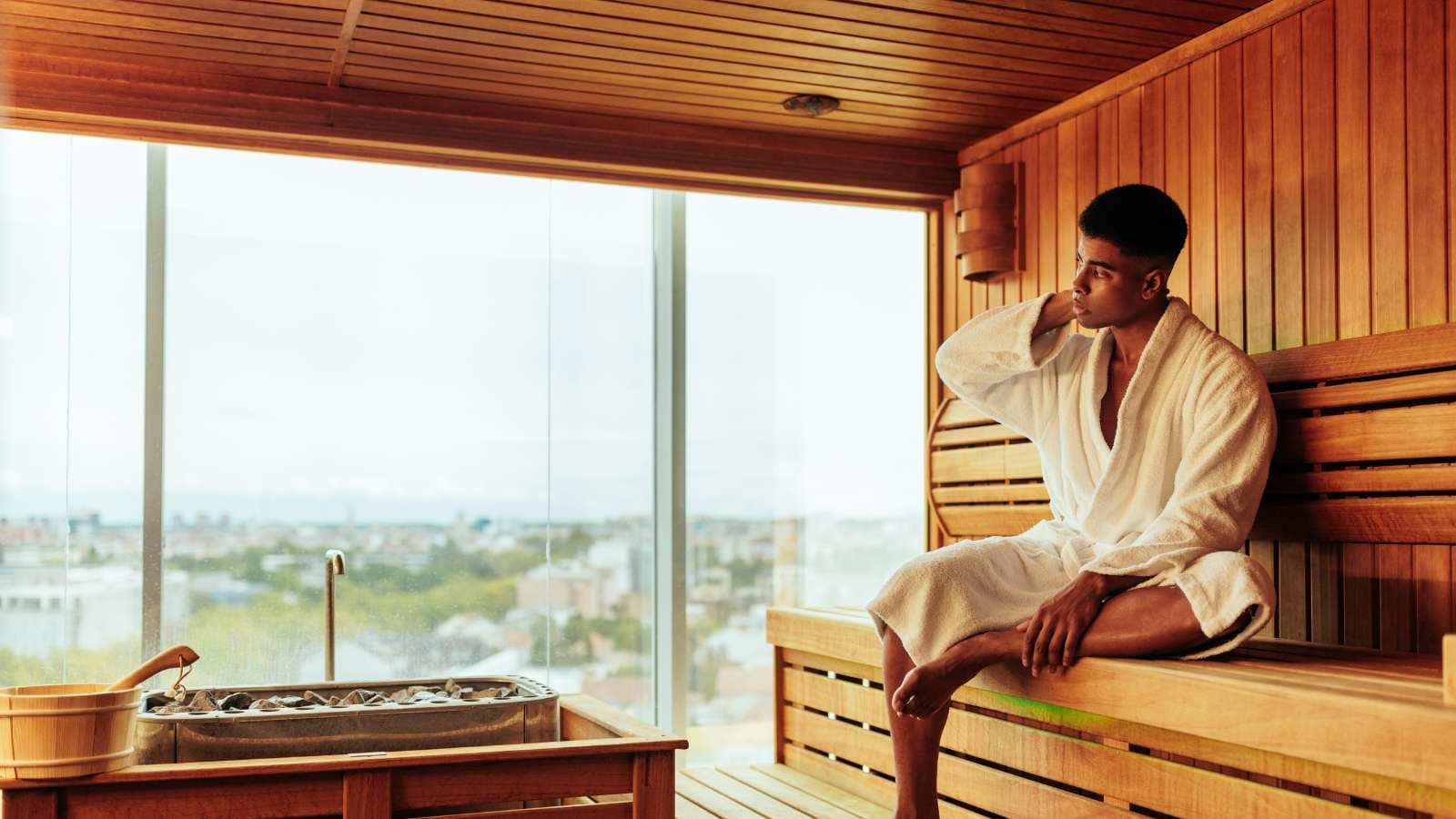
Sauna culture isn’t new to the UK — it’s simply being rediscovered in a more visible way.
While sauna is often associated with Finland or Scandinavia, the deeper truth is that communal heat, ritual, and restoration show up across cultures. What’s changing now is that more people in the UK are finding sauna not as a luxury add-on, but as a shared practice rooted in community.
What sauna culture actually is
Sauna culture isn’t just “having a sauna”.
It’s a set of values:
- presence (you’re here, now),
- equality (everyone sweats the same),
- respect (for people, place, and tradition),
- community (shared experience over performance).
The best sauna spaces create a feeling you don’t get many places in modern life: permission to slow down.
A quick look at sauna’s roots
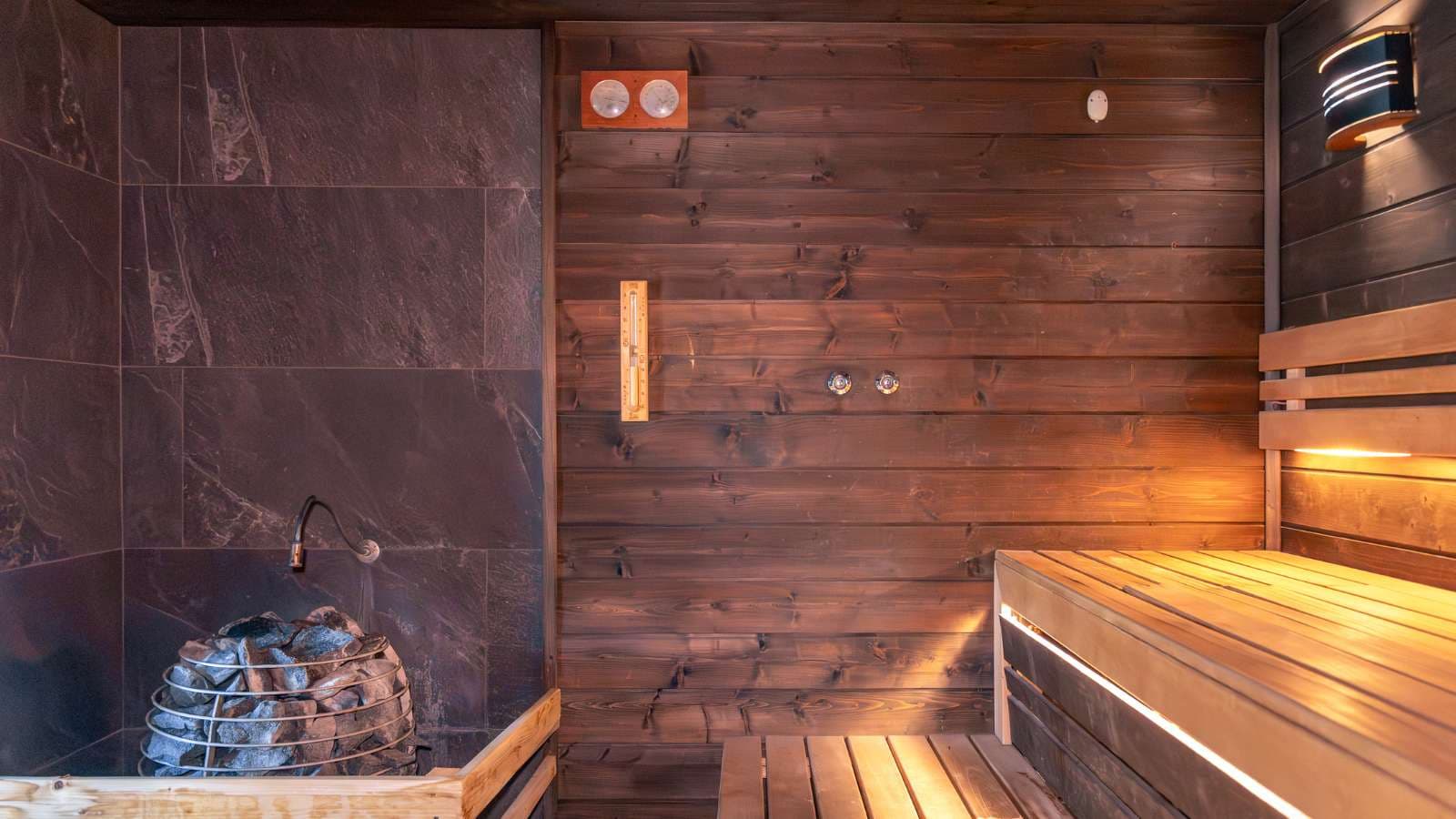
Traditionally, sauna spaces were practical. They were places to wash, recover, and reset. In some cultures they were used for major life moments — healing, transition, even childbirth.
Sauna was never just about “relaxation”. It was about continuity: people taking care of themselves and each other through shared ritual.
Why sauna culture is growing in the UK now
A few things have collided:
- more interest in outdoor living and nature-based wellbeing,
- a rise in cold water swimming and wild swim communities,
- a desire for social spaces that don’t revolve around alcohol or loudness,
- an appetite for tradition that feels grounded rather than trendy.
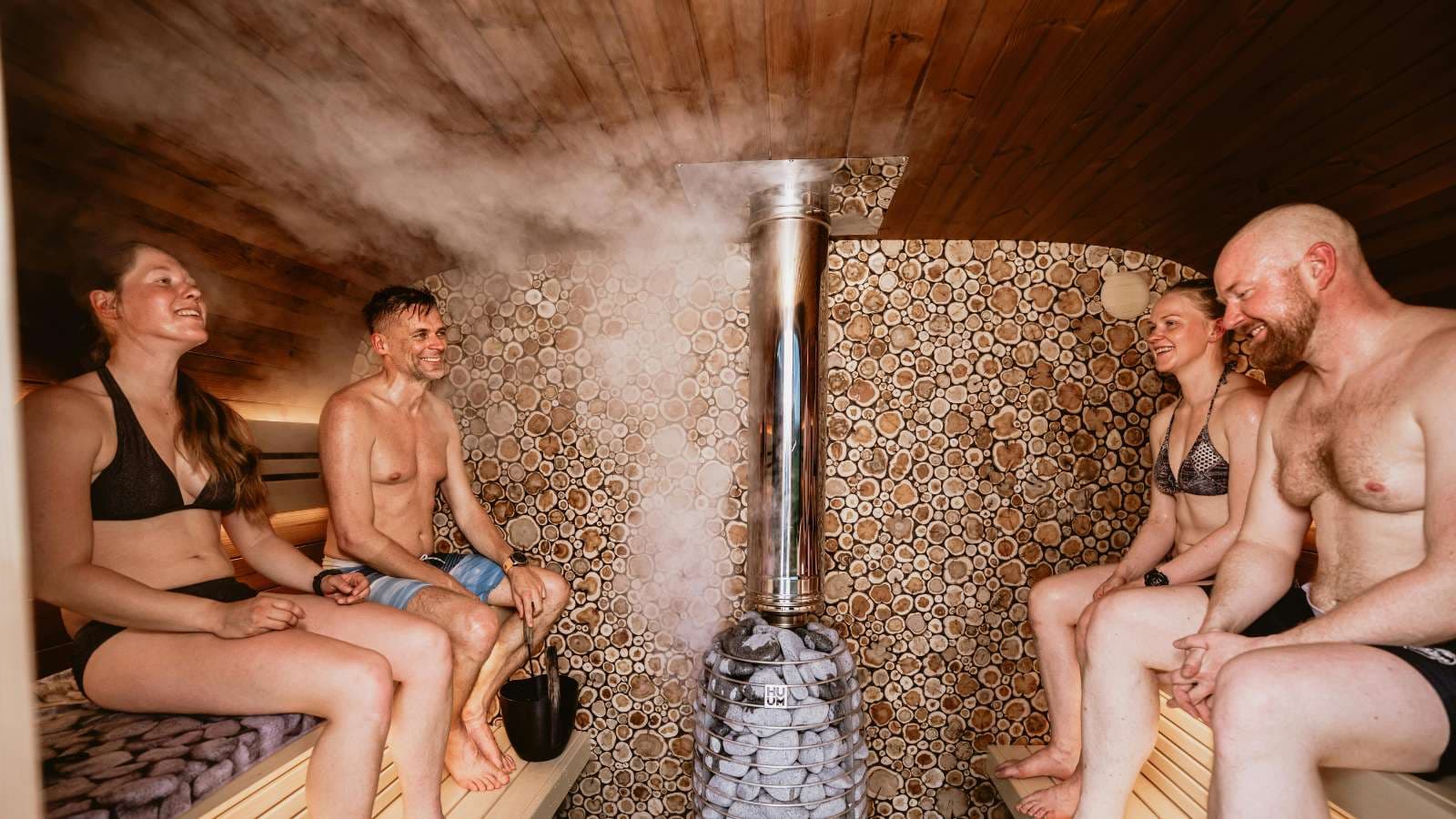
This is why community sauna projects are resonating: they offer belonging.
The rise of community saunas
The UK’s most exciting sauna growth isn’t happening only in high-end spas. It’s happening in:
- wood-fired community saunas,
- lakeside and coastal builds,
- pop-up mobile saunas,
- small independent operators anchored to local regulars.
These spaces are often more affordable, more welcoming, and more culturally “alive” — because they’re built around people, not polish.
Today, this tradition often continues through practices like sauna and wild swimming, where heat, cold and community meet outdoors.
Sauna etiquette in the UK
As sauna culture grows, etiquette matters more — because it protects the experience for everyone.
Etiquette varies by venue, but these principles are broadly useful:
Respect the space
Keep voices gentle. Give people room. Don’t dominate the atmosphere.
Ask before assuming
Different saunas have different norms (swimwear, towel use, quiet sessions, guided rituals). If you’re unsure, ask staff or regulars.
Leave no trace
Especially for outdoor and community-run saunas: tidy up, take rubbish home, treat the site like it’s someone’s home (because it often is).
Keep it human
Sauna culture thrives when it stays non-performative. The best sessions aren’t content — they’re experience.
Technology’s role in modern sauna culture
Tech can help people discover saunas and join communities. But it can also make spaces feel performative if it takes over.
The best use of technology is quiet:
- discovery,
- booking,
- communication,
- community updates.
Then the phone goes away and the sauna becomes what it’s meant to be: real life.
Many modern sauna communities also embrace contrast practices — our guide to hot and cold therapy explores why this pairing works so well.
A living tradition
Sauna culture in the UK won’t look identical to Nordic sauna culture — and it shouldn’t. Traditions adapt to landscape, climate, and community.
But the heart of it remains the same: shared heat, respect, and connection.