There’s something instinctive about stepping from cold water into heat.
Long before “contrast therapy” became a trend, sauna and wild swimming existed as part of the same rhythm — a cycle of warmth, cold, rest, and connection that helped people feel more at home in their bodies and in their communities.
In the UK, this pairing is growing fast. Not because everyone suddenly became obsessed with optimisation — but because people are craving experiences that feel real: outdoors, seasonal, social, and grounding.
An old pairing, not a new trend
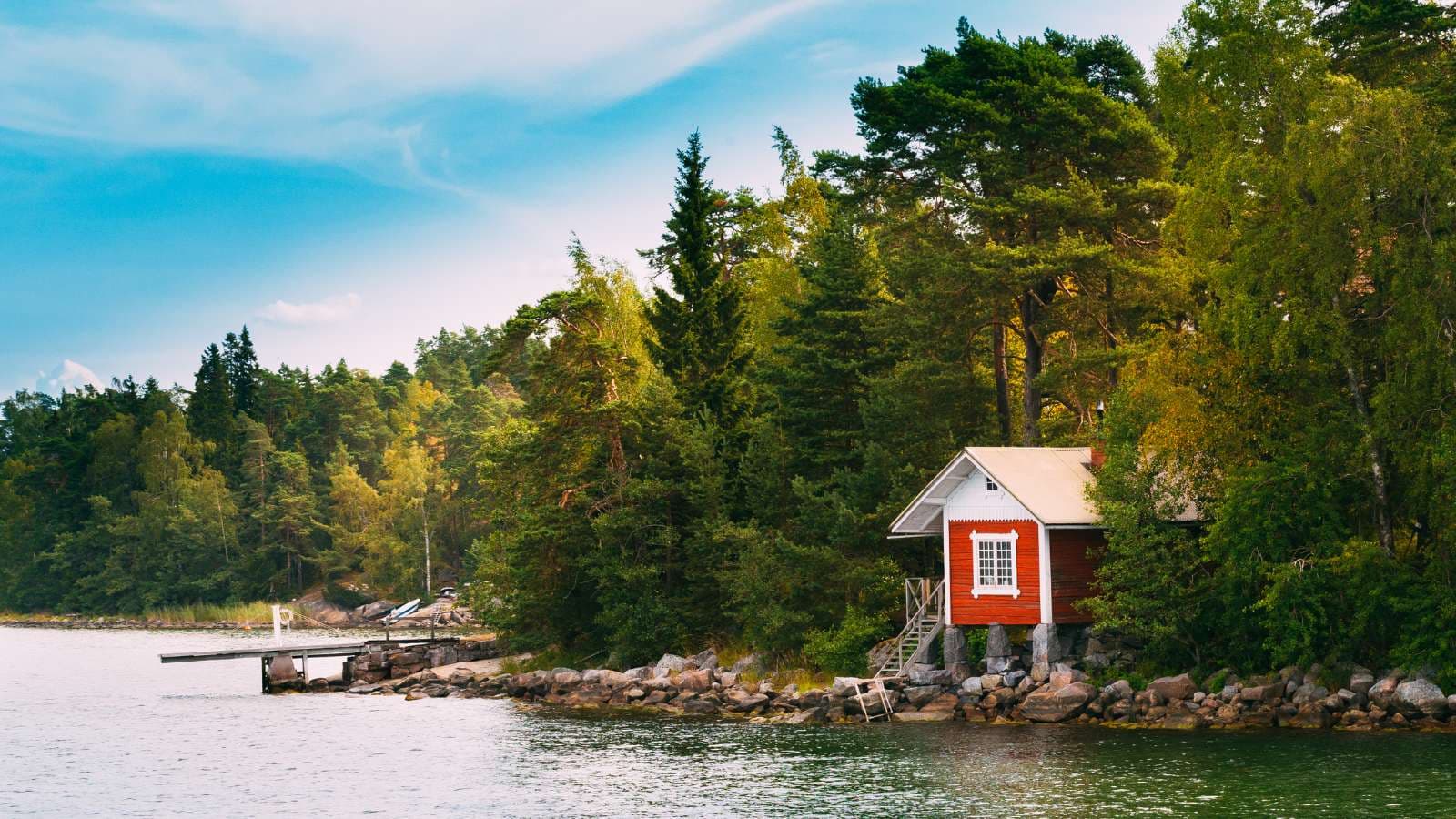
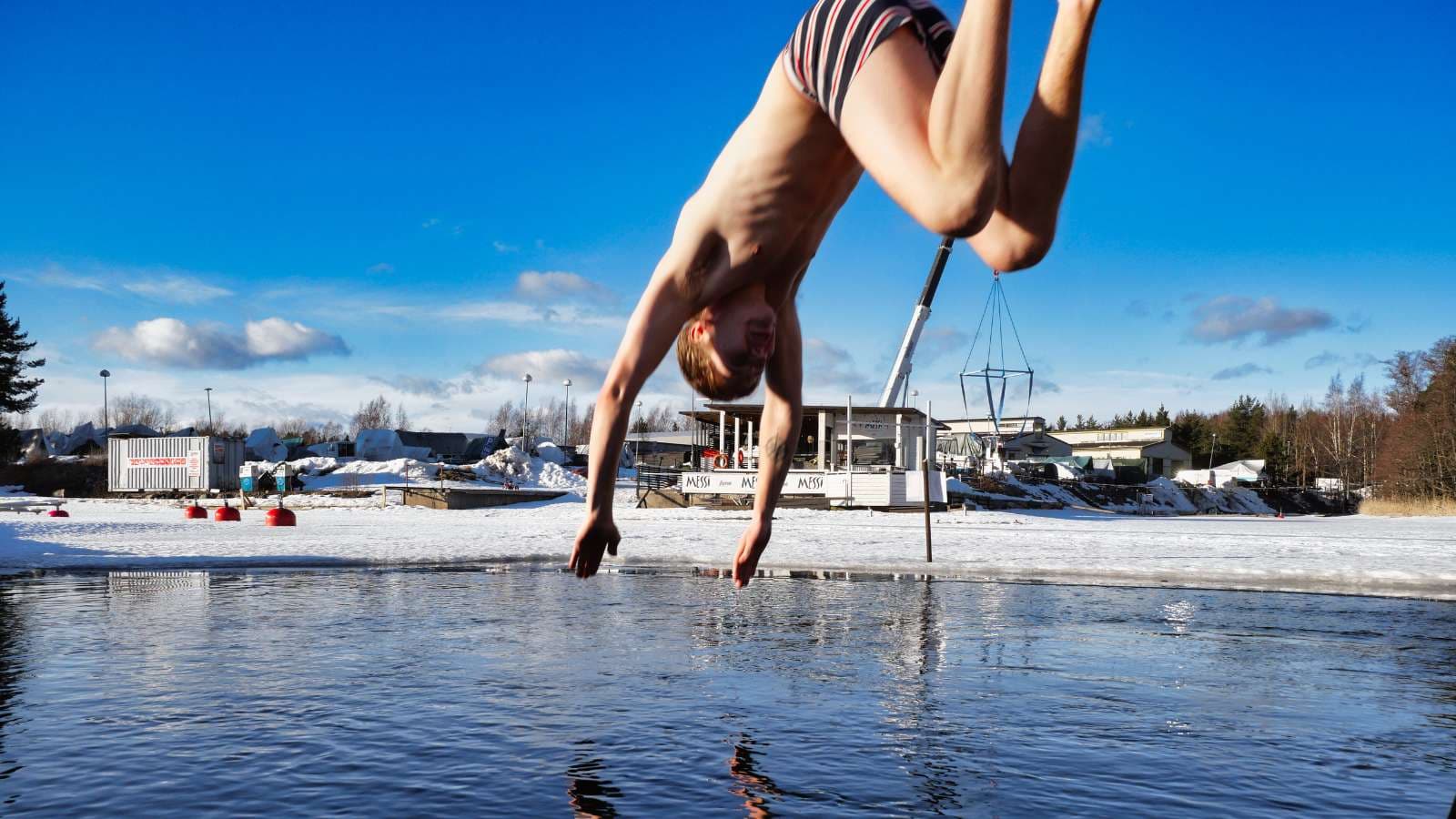
In Nordic sauna culture, cold water isn’t an add-on. Lakes, rivers, and sea dips have historically been part of the ritual. The heat prepares you, the cold sharpens you, and the return to warmth settles you again.
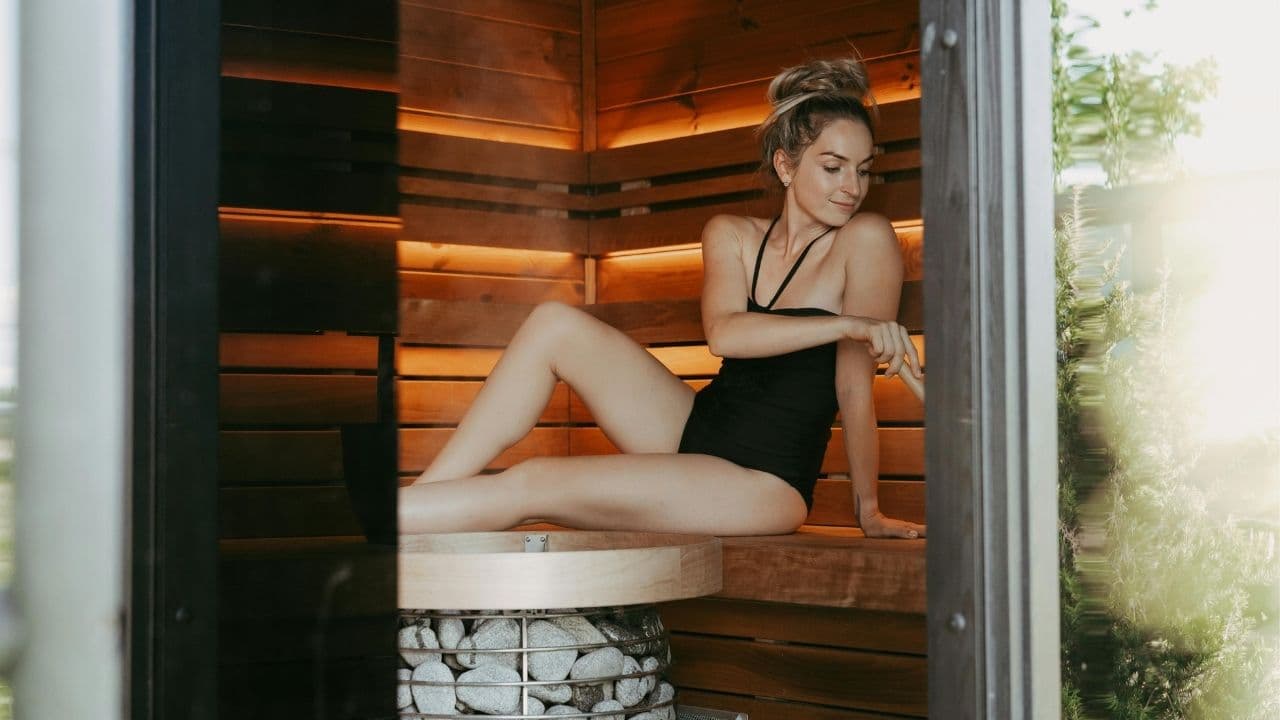
The UK has always had cold water culture too — from coastal dips to river swims — but what’s changing is how many shared sauna spaces now exist beside water. Outdoor saunas, mobile beach saunas, and community-run builds are creating a natural home for this tradition to take root here.
What sauna adds to the wild swim experience
Wild swimming can be magical — but it can also be intimidating.
A sauna nearby changes the entire “entry point” for newcomers:
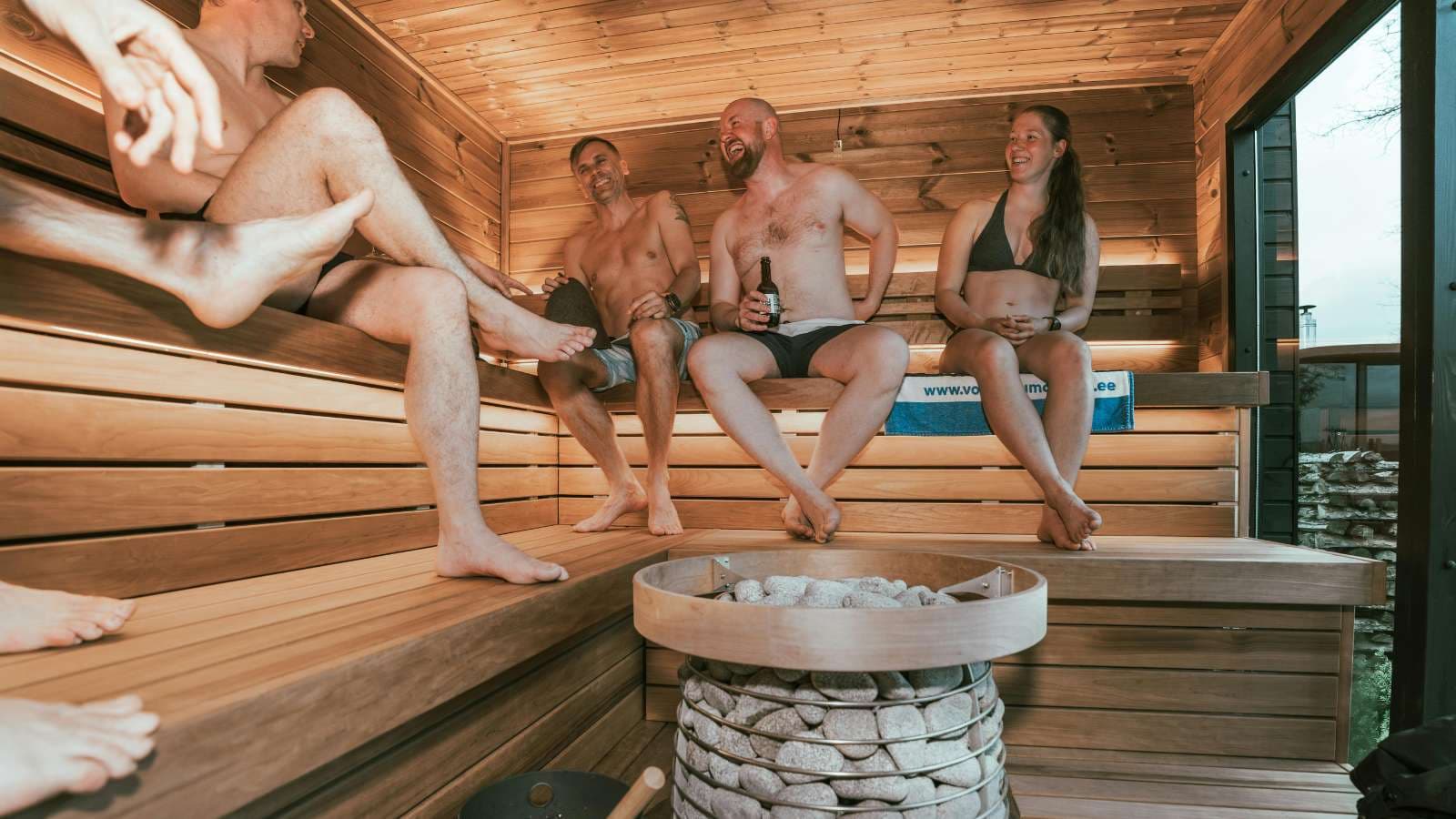
- It creates a warm, social space to arrive into.
- It makes the post-swim recovery calmer and more comfortable.
- It turns a solo challenge into a shared ritual.
For many people, the sauna is where the real confidence is built. You hear how others approach the cold. You learn what’s normal. You realise you don’t need to “beat” the water — you can meet it with respect.
What the cold adds to the sauna experience
Sauna on its own is restorative. But the moment you add cold water, the experience often becomes more memorable — not because it’s extreme, but because it’s clear.
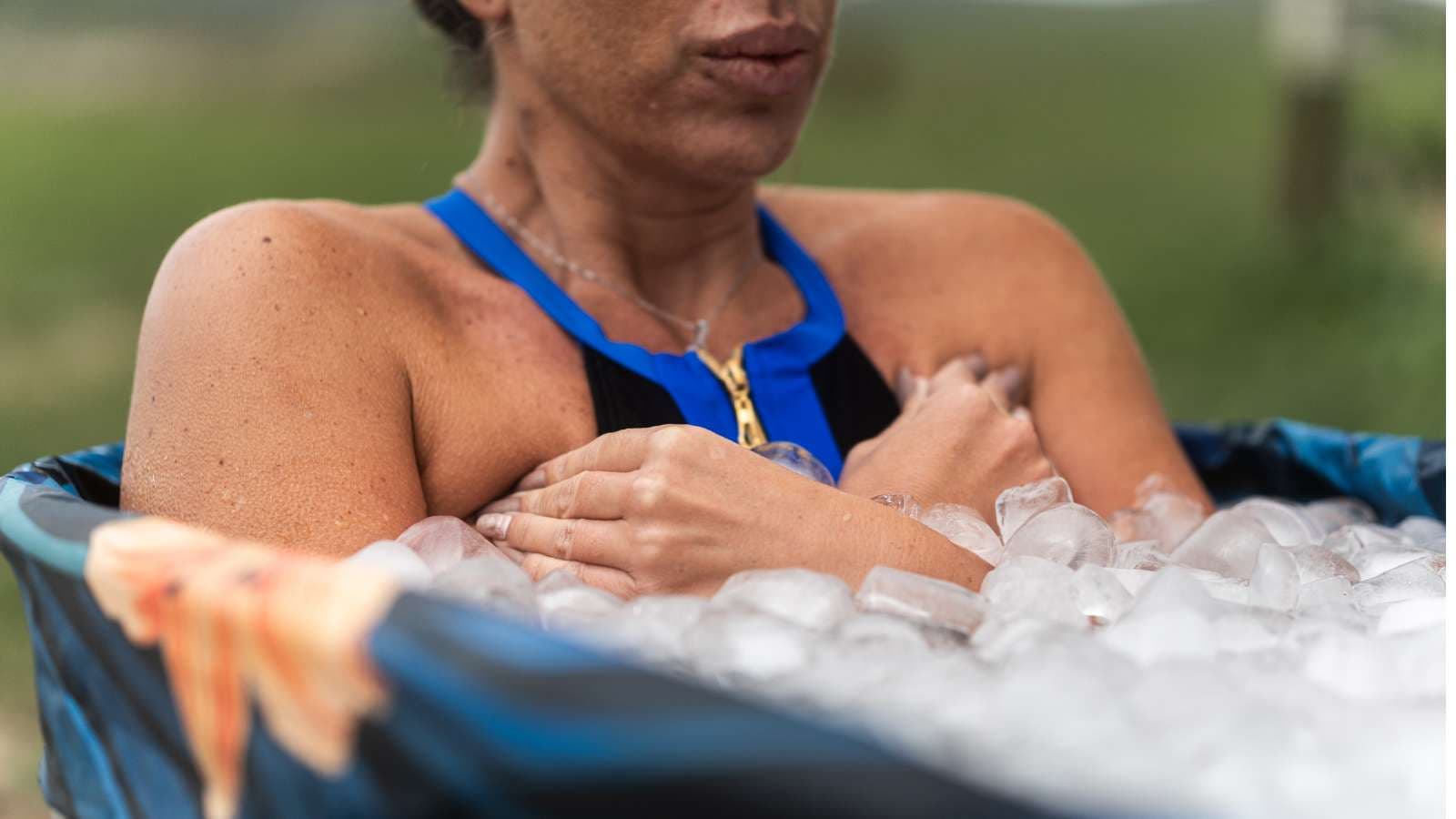
Cold water forces you into the present:
- your breathing becomes the focus,
- your mind quiets,
- your senses sharpen.
Then the sauna becomes the landing place again — warmth, conversation, recovery.
This back-and-forth is why so many people describe sauna and cold water as a “reset” rather than a workout.
Why community is the real secret ingredient
If there’s one reason sauna and wild swimming belong together, it’s this: both are better when shared.
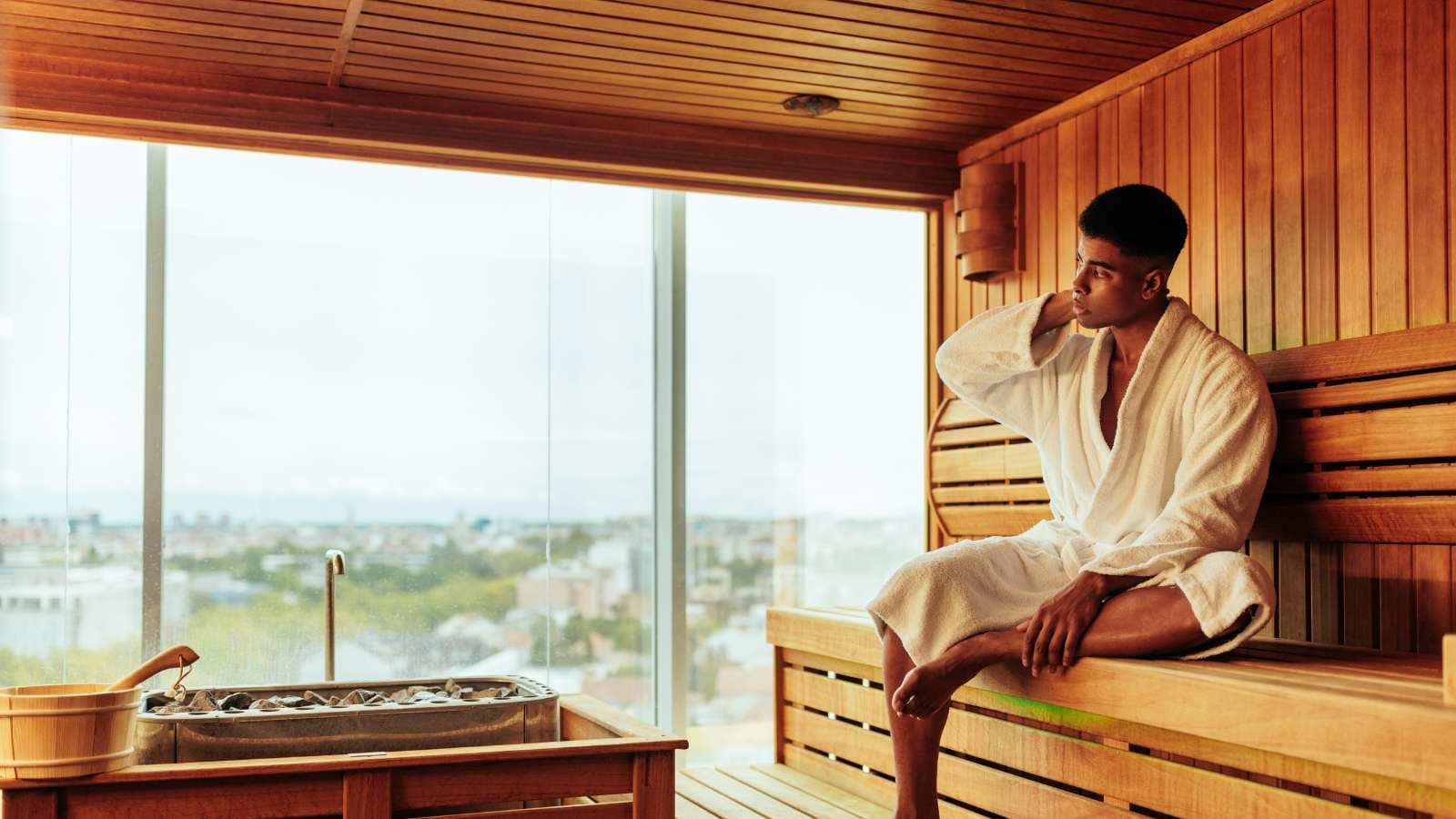
A good community sauna has a very different energy to a gym or a wellness studio. There’s no performance. No comparison. No pressure to be anything other than human.
People talk. People listen. People sit in silence. Everyone’s welcome.
For a deeper look at how shared heat has shaped social spaces, our guide to sauna culture in the UK explores the traditions behind today’s community saunas.
Sauna and wild swimming in the UK today
Search interest for “sauna and wild swimming UK”, “outdoor sauna UK”, and “sauna cold water swimming” has risen sharply in recent years.
But the most interesting part isn’t the volume — it’s the tone. People aren’t just searching for “benefits”. They’re searching for places. For community. For something that sticks.
Across the UK you’ll now find:
- wood-fired saunas beside lakes and reservoirs,
- pop-up saunas on beaches,
- community builds supported by local groups,
- regular wild swim meets that run year-round.
What unites the best of these spaces is that they’re anchored to place. They encourage respect for nature and for each other.
A more sustainable way to practise wellbeing
Sauna and wild swimming slows you down.
You don’t rush a sauna session. You don’t sprint into cold water. You learn to pay attention — to seasons, weather, and how you actually feel.
That makes it sustainable in the most important sense: it becomes a practice you can keep for years, not a phase you burn through.
Getting started without making it a “thing”
If you’re new, keep it simple:
- Arrive early so you’re not rushed.
- Start with sauna first to settle in.
- Enter the cold slowly. Breathing matters more than time.
- Warm up gradually afterwards (no panic, no sprinting).
- Repeat only if it feels good.
The best sessions are the ones you leave feeling calmer than when you arrived.
Why they belong together
Heat and cold. Stillness and movement. Solitude and connection.
If you’re curious about how heat and cold support recovery and balance, our guide to hot and cold therapy explains the principles in more detail.